4 min read
Does AI actually work for a small business?
It's good for four concrete things and bad for four others. The line between the two lists has a logic to it, worth understanding before you spend.
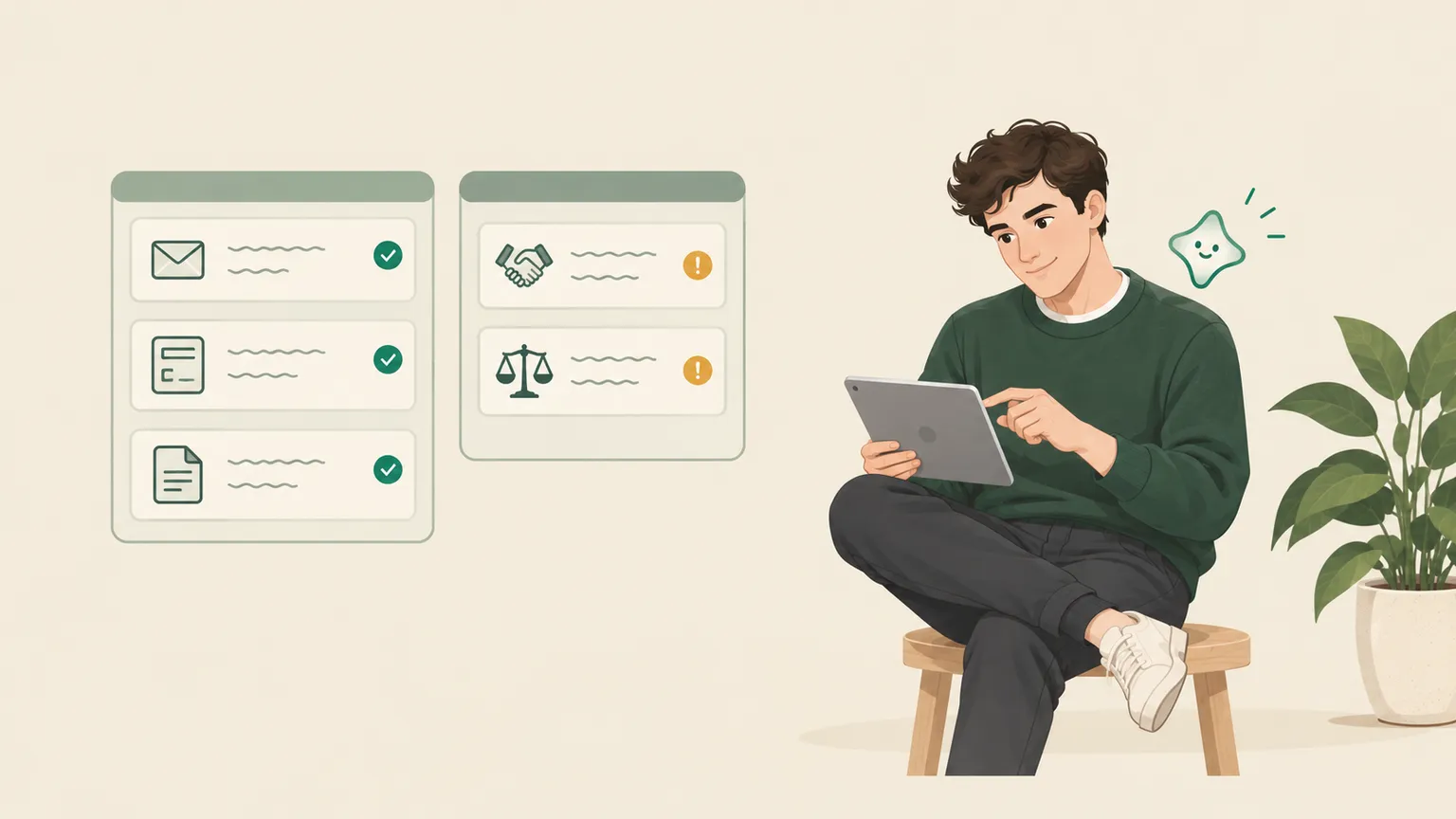
Two versions of the story are going around, and both are wrong. One says artificial intelligence is going to fix your company. The other says it's a fad that doesn't do anything useful.
The useful version is more boring: it works very well for one specific kind of task, and very badly for another. And the line between them is fairly clear once you see it.
There's one figure worth keeping in mind. MIT published a study on this, The GenAI Divide: State of AI in Business (opens in a new tab), based on 150 interviews with leaders, 350 employees surveyed, and 300 deployments analysed. The finding: out of an estimated 30 to 40 billion dollars invested, 95% of generative AI projects produced no measurable return.
What matters isn't the number, it's the cause they found. The technology didn't fail: what failed was integration with how each company actually works, data quality, and not having defined what outcome was being sought before starting.
Which means the 95% doesn't say AI doesn't work. It says most people are applying it to the wrong task, or without having defined what they expected from it.
What it's actually good for today
Reading and sorting long text. Invoices, delivery notes, contracts, emails, résumés. Pulling data out of a document and putting it where it belongs is one of the things it does best, and one of the most tedious tasks your team handles.
Answering the questions that come up every day. Hours, order status, whether something is in stock, how a return works. Not to replace customer service, but so the same forty daily questions don't tie up a person.
Writing first drafts. Product descriptions, replies to complaints, posts. Note the word: drafts, not the final version. The value is not starting from a blank page.
Sorting and prioritizing. Which complaints are urgent, which orders look off, which customers haven't bought in a while. Ranking large piles of things by a rule.
All of that has something in common: these are tasks where the result is easy to check and a mistake gets noticed fast.
What it's bad for
Deciding important things on its own. Approving a loan, letting someone go, setting a price. It can suggest. It can't sign off.
Fixing a disorganized process. If nobody knows how something actually gets done today, artificial intelligence won't figure it out for you. It will produce confident answers about a mess it doesn't understand.
Tasks where a mistake goes unnoticed. That's the real danger. If it gets a number wrong on an invoice, someone catches it. If it gets a number wrong in a report nobody double-checks, that number gets used to make a decision.
Replacing someone who knows the business. It's extremely fast at producing things that sound plausible. Telling plausible apart from correct is still human work, and it takes knowing the subject to do it.
The rule for telling which side a task falls on
Ask yourself two things.
What does it cost if it gets it wrong? If a mistake is caught on the spot and fixed without consequences, it's a good candidate. If a mistake is discovered three months later in the books, it isn't.
Is anyone actually going to check it? If the answer is no, don't automate that. The problem isn't that the machine gets things wrong sometimes, it's that nobody would find out.
The tasks that pass both questions are the ones worth tackling first.
Where to start without spending anything
Before signing up for anything, list the repetitive tasks eating the most hours from your team this week. Mark which ones pass the two questions above.
Whatever's left on that list is your real starting point, and it's probably smaller and more boring than what gets pitched to you. It's also what will save you the most money.
A warning about what you'll get offered
A lot of what gets sold today as artificial intelligence is ordinary automation with a new label. And that's fine: if it solves your problem, the name doesn't matter.
What matters is not paying novelty prices for something that was already solved ten years ago with a simple rule. When someone pitches you something, ask what happens when it gets something wrong and who checks it. If that question makes them uncomfortable, you already know enough.